
If you've lived in Redding for a few fire seasons, you know the drill. The sky turns orange, the air smells like a campfire, and everyone heads inside. What you might not know is that wildfire smoke doesn't stop at your front door. It can slip through your home's air conditioner and settle into the air you breathe indoors.
At Wallner, the right AC filter and a few smart habits are usually enough to make a real difference during a smoke event. Here's how wildfire smoke affects your air conditioning system and what you can do about it.
Wildfire Smoke at a Glance
- Wildfire smoke can enter your home through fresh air intakes, evaporative coolers, and small gaps around doors and windows.
- A MERV 13 filter is the EPA's recommended minimum for capturing fine smoke particles.
- Running your AC on recirculate with the fan set to "on" helps keep smoky air from cycling through your home.
- Evaporative coolers need extra care during smoke events since they pull in outside air.
- Redding's fire seasons make this a yearly reality, not a once-in-a-while concern.
Can Wildfire Smoke Get Into My House Through My AC?
Yes, wildfire smoke can get into your home through your air conditioning system, especially if it uses a fresh air intake or if you rely on an evaporative cooler. Central air conditioning that recirculates indoor air is less of a risk, but smoke can still work its way in through small gaps and ductwork leaks.
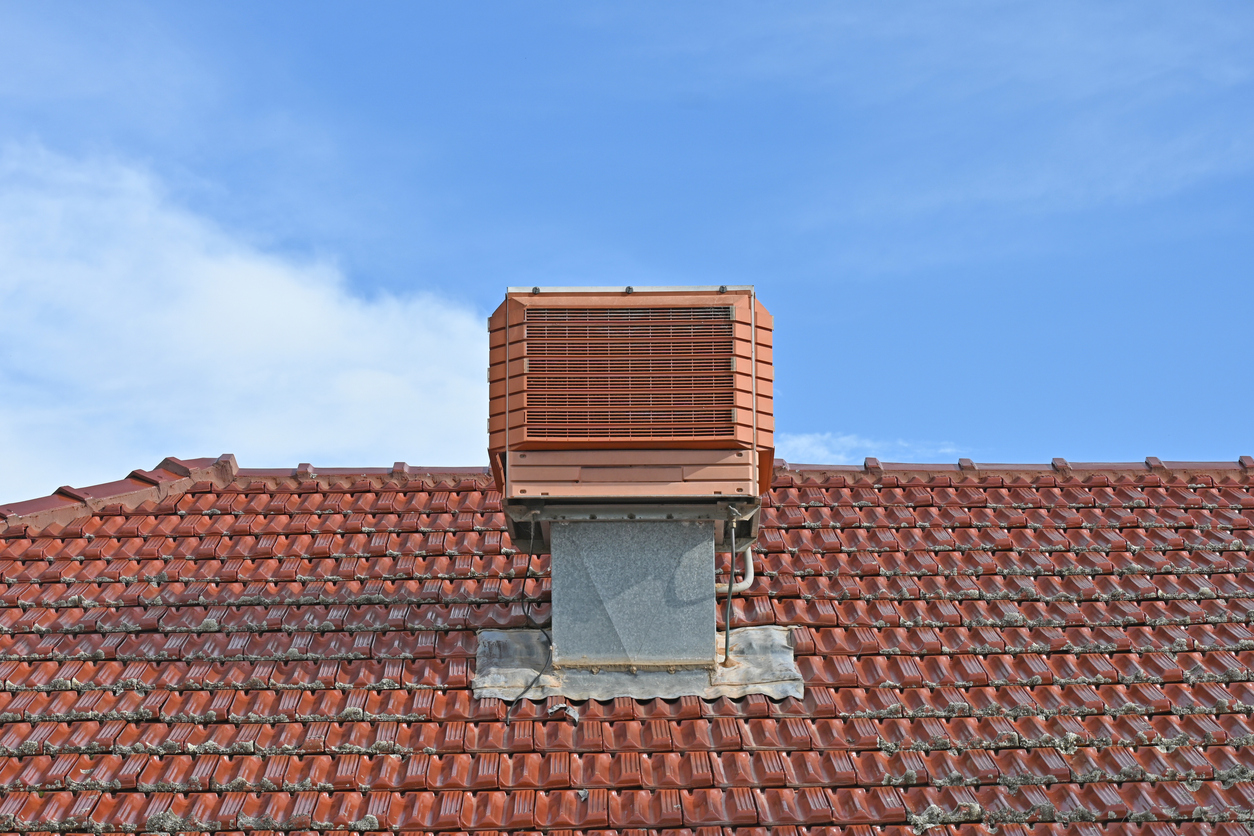
Evaporative coolers are common in our dry Redding summers, but they work by pulling outside air through water-soaked pads, which means they can pull smoke right in along with it. The EPA recommends either using an evaporative cooler sparingly during a smoke event or fully covering its outside air intakes with thick, high-efficiency MERV 13 filters.
This isn't just an inconvenience for people with allergies or asthma. Redding is the largest city in Shasta County, home to more than half the county's population, and a study of the 2018 Carr Fire found respiratory-related emergency room visits in the Redding area rose about 27% above what would normally be expected during the heaviest smoke. That's worth keeping in mind before you decide to just wait out a smoky week.
What Air Filter Do I Need for Wildfire Smoke?
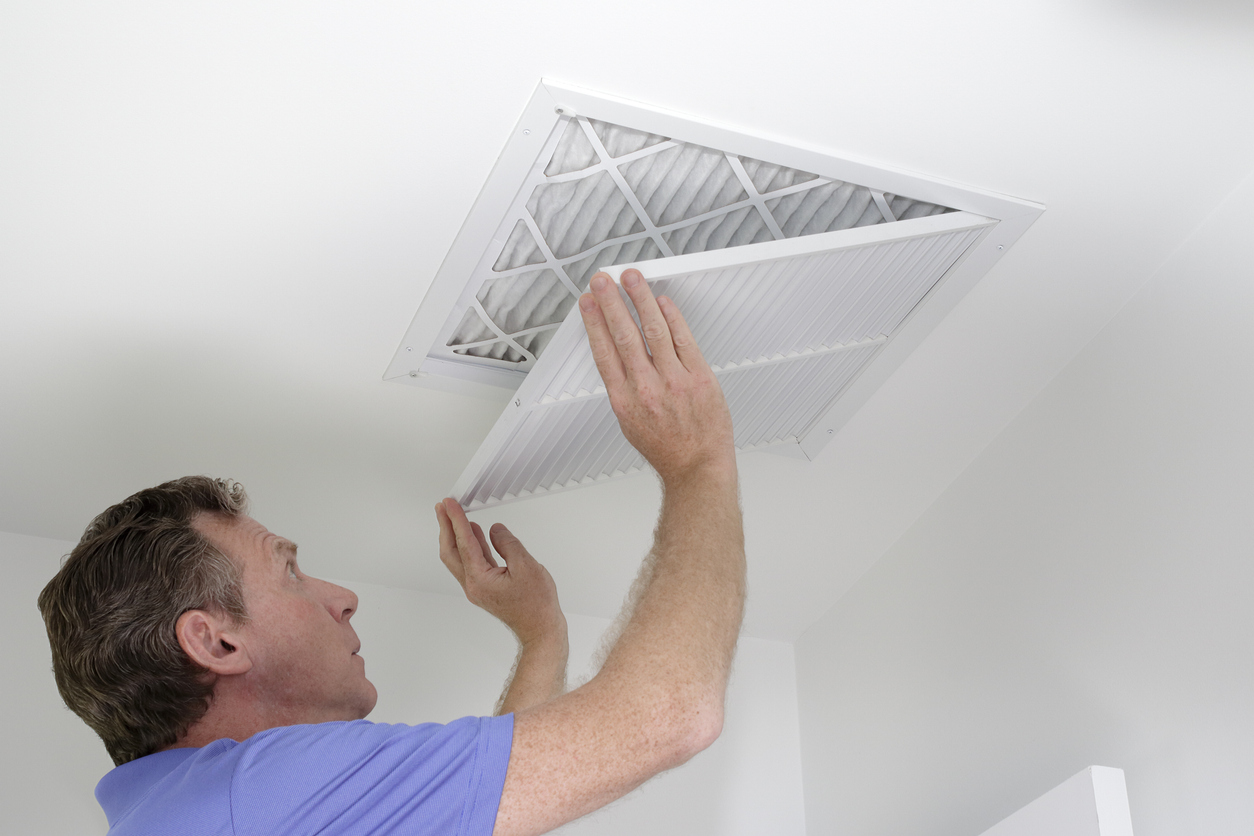
The EPA recommends a MERV 13 filter, or the highest rating your system can handle, to capture the fine particles found in wildfire smoke. Most residential systems can accommodate MERV 13 without issue, but it's worth confirming with a technician before you upgrade, since some older systems aren't built for the extra airflow resistance.
This is the same rating we recommend for Redding's pollen season, so if you've already made the switch, your system is ready for smoke season too. Smoke loads a filter faster than everyday dust, and pollen does, so keep an eye on it more closely once the air turns hazy.
Watch for these signs it's time for a fresh filter during smoke season:
- Visible gray or brown discoloration on the filter surface
- Weaker airflow coming from your vents
- Your system running longer than usual to reach the set temperature
If you're not sure your filter or HVAC system is up to the job, a quick inspection before fire season ramps up can save you a scramble later.
Should I Run My AC During a Wildfire Smoke Event?
In most cases, yes. Running your central air conditioner with the fan set to "on" rather than "auto" keeps air moving continuously through your filter instead of only during cooling cycles, and switching to recirculate mode or closing any fresh air intake helps keep smoky outside air from being pulled in.
A portable air purifier is a good addition in the room you spend the most time in, especially if you're caring for kids, older adults, or anyone with a respiratory condition. It won't replace a good HVAC filter, and a good HVAC filter won't replace it either. They work best together.
Frequently Asked Questions About Wildfire Smoke and Your AC
Should I turn off my evaporative cooler during wildfire smoke?
It's best to use it sparingly or cover its outside air intakes with a thick MERV 13 filter. Otherwise, it can pull smoky outside air directly into your home.
How often should I change my air filter during wildfire smoke season?
Check it every two to four weeks during active smoke, and sooner if it looks visibly dirty or your airflow drops. Smoke clogs a filter much faster than normal household dust.
Does a portable air purifier help if I already have central AC?
Yes. A portable purifier adds an extra layer of filtration in the specific room you spend the most time in, while your central AC filter handles the whole house.
Where can I check current air quality in Redding?
The Shasta County Air Quality Management District tracks local burn day status and wildfire smoke conditions, and it's worth bookmarking alongside AirNow.gov for real-time updates during fire season.
Redding's Fire Season Isn't Going Away, But Your Indoor Air Can Stay Clean
Wildfire smoke is a fact of life in the north state, but a MERV 13 filter, the right fan settings, and a little extra caution with evaporative coolers go a long way toward keeping your indoor air breathable. A quick system check before smoke season hits beats scrambling once the sky turns orange.
Get Your AC Ready Before the Next Smoke Event
The Barefoot Plumbers at Wallner Plumbing Heating & Air have kept Redding families comfortable since 1968, through pollen season, triple-digit heat, and every wildfire smoke season in between. Call us at (530) 223-5622 or contact us online to get your system checked before the smoke rolls in.