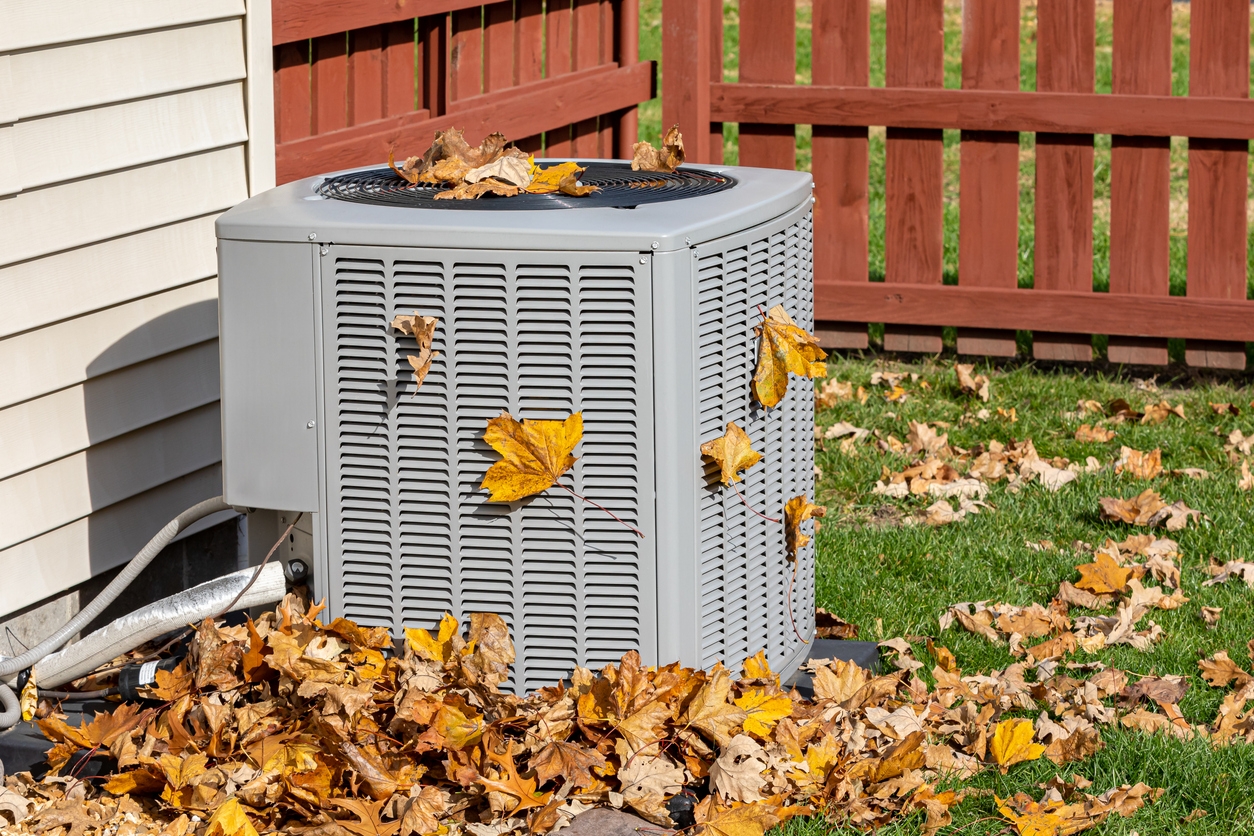
Fall in Redding means cooler mornings, oak leaves piling up in the yard, and a lot of hungry wildlife looking for a warm place to settle in. Unfortunately, your outdoor AC unit often looks like exactly that.
At Wallner Plumbing Heating & Air, we see a predictable pattern every fall: animals nesting in condensers, leaves and acorns clogging drains and coils, and tree roots pushing into sewer lines as the weather cools. Here's what fall wildlife actually does to your outdoor HVAC equipment, and how to keep it from turning into a repair bill.
At a Glance: Wildlife & Your AC Unit
- Outdoor AC units offer warmth and shelter that make them a magnet for mice, squirrels, and other critters once fall temperatures drop.
- Chewed wiring from nesting animals is a common cause of AC and heating failures that have nothing to do with the equipment's age.
- Redding's oak-heavy neighborhoods mean falling leaves and acorns can clog condenser fins, gutters, and outdoor drains.
- Tree roots grow more aggressively in the fall as they search out moisture before winter, putting older sewer lines at risk.
- A quick fall inspection catches most of these problems before they turn into an emergency repair.
Why Do Animals Nest in Outdoor AC Units in the Fall?
Outdoor AC and heat pump units make an ideal fall shelter for mice, squirrels, and other small animals. The unit stays warmer than the surrounding air, offers tight protected spaces, and its wiring makes convenient nesting material.
Rodents often seek shelter in buildings once outdoor temperatures drop, entering through small cracks and gaps and settling in wherever it's warm and protected. Your condenser fits that description perfectly.
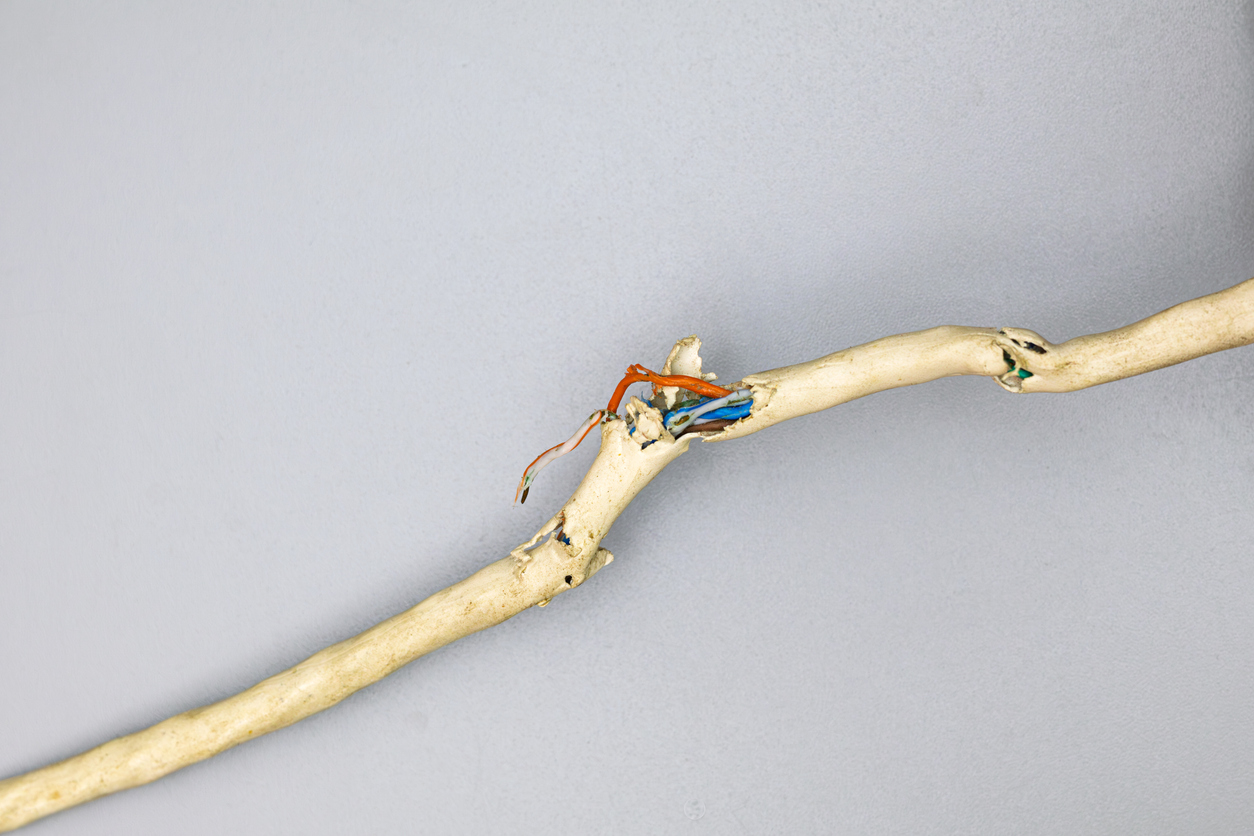
The real damage usually isn't the nest itself. It's the chewed wiring. A severed or exposed wire near the disconnect box can cause a system to trip a breaker or stop running entirely, and it’s easy to mistake it for a mechanical failure until you open the panel and see what's actually going on.
Watch for these signs that an animal has moved into your outdoor unit:
- Nesting material (leaves, insulation, shredded debris) visible around the unit's base
- A system that suddenly won't turn on or repeatedly trips the breaker
- Chewed or exposed wiring near the disconnect box
- Unusual smells or scratching sounds coming from the unit
If you notice any of these, have a technician take a look before you run the system again.
Can Falling Leaves and Acorns Clog My AC Unit and Drains?
The short answer is yes. Redding's oak-heavy neighborhoods drop a heavy load of leaves and acorns each fall, and both can pack into your condenser fins, gutters, and outdoor drains fast enough to restrict airflow and water flow at the same time.
A condenser coated with matted leaves has to work harder to draw air through it, straining the system even before anything breaks. Acorns rolling into drain grates or piling up in gutters and downspouts cause a similar problem for your plumbing, especially once fall rains start pushing all that debris toward the same low points.
A few simple habits go a long way:
- Keep the area around your condenser clear of piled leaves and yard debris
- Gently brush condenser fins if you notice buildup, but never bend them
- Clear gutters and downspouts before the rainy season ramps up
- Check outdoor drain grates for acorns and leaf mats after a windy day
If a drain is already running slowly, a professional drain cleaning clears it out before standing water becomes a bigger problem.
Do Tree Roots Get Worse in Sewer Lines During Fall?
Yes. Tree roots often grow more aggressively in the fall as trees push to store nutrients and moisture before winter dormancy, which makes this a common season for root intrusion into older sewer lines.
Research from the USDA Forest Service found that tree roots contribute to more than half of reported sewer line blockages nationwide, particularly in older pipes with joints and cracks. Redding's mature, oak-lined neighborhoods make this a relevant risk for plenty of local homes.
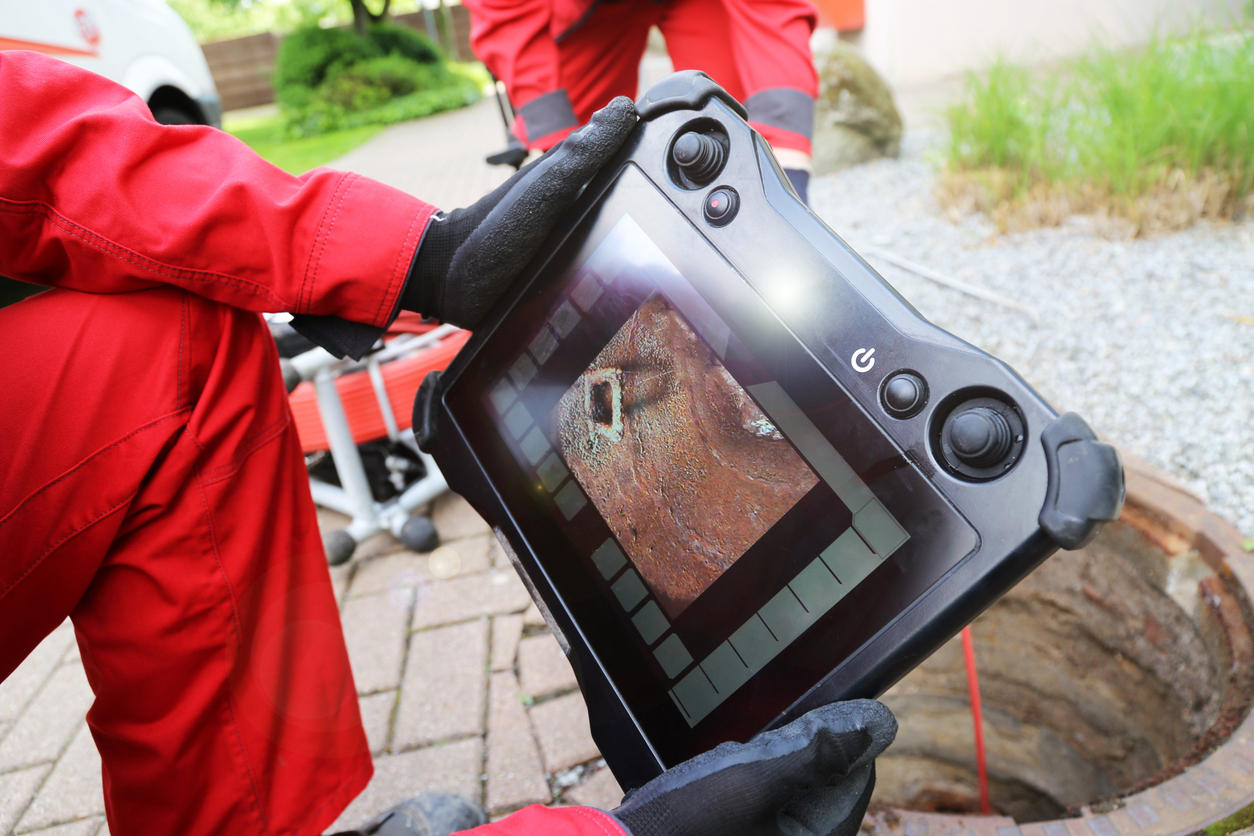
Watch for slow drains across multiple fixtures, gurgling sounds, recurring clogs, or an unusually soggy patch in the yard near your sewer line. Any of those is a good reason to schedule a sewer camera inspection rather than wait for a full backup.
FAQs About Fall Wildlife and Your Home's Systems
How do I keep animals out of my outdoor AC unit?
Trim back nearby plants, clear debris around the unit, and seal any gaps larger than half an inch. A fall HVAC inspection is also a good chance to catch early nesting before it causes real damage.
What does chewed AC wiring look like?
Exposed copper, frayed insulation, or wires with visible bite marks near the unit's disconnect box or base. If you notice this, turn off the power to the unit and call a technician rather than attempting a repair yourself.
Is fall a good time for a sewer line inspection?
Yes. Root growth tends to peak in fall, which makes it a smart season to schedule a camera inspection, especially if your home has mature trees nearby or an older sewer line.
Redding's Fall Season Is Hard on More Than Just Your Yard
Between hungry wildlife, oak leaves, and root growth, fall puts real pressure on your home's plumbing and HVAC systems here in Redding. Most of these problems are easy to catch early with the right inspection, long before they turn into an emergency repair.
Schedule a Fall Inspection With Wallner
The Barefoot Plumbers at Wallner Plumbing Heating & Air have kept Redding families comfortable since 1968, through every fall season the North State throws at us. Call us at (530) 223-5622 or contact us online to schedule an inspection before the leaves really start piling up.