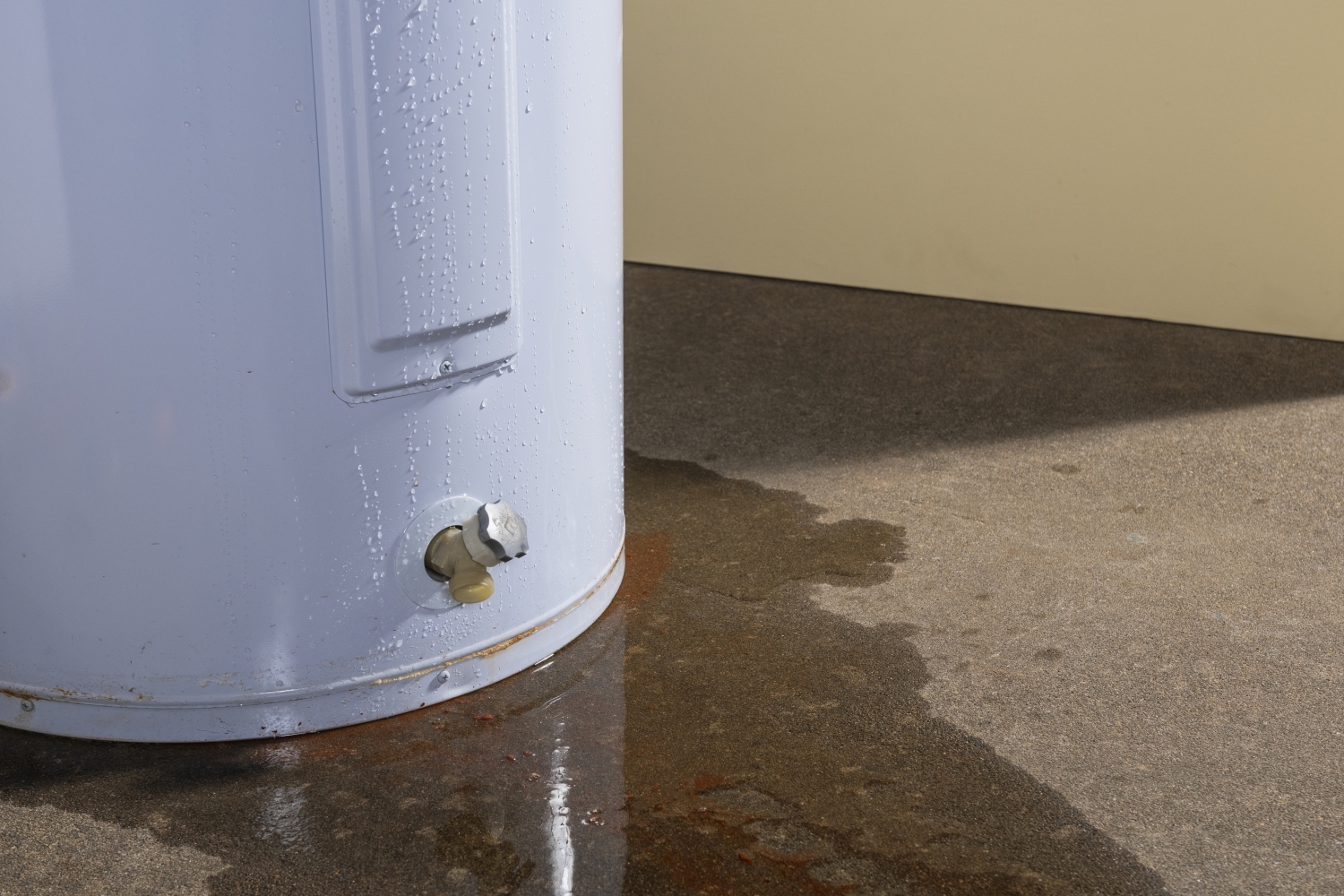
Picture this: you walk out into the garage to take out the trash and hear a splash underfoot. When you look down, you realize you just stepped in water… and there’s a puddle under your water heater. These are the things nobody prepares you for as a homeowner in Redding–now what do you do?
A puddle under your water heater can be anything from a harmless bit of condensation or a loose fitting to a tank that's finally giving out. At Wallner Plumbing Heating & Air, we've repaired and replaced water heaters across Redding since 1968. A few quick checks will tell you which one you've got, and acting fast limits the damage either way.
At a Glance: Water Heater Puddles
- Condensation, loose fittings, a leaking drain valve, and a dripping relief valve are usually minor fixes.
- Water pooling at the base of the tank usually means corrosion has eaten through the steel, and replacement is the only fix.
- Shut off the power or gas and close the cold-water inlet before you do anything else.
- A tank past about 10 years old with recurring problems is a strong candidate for replacement.
- Call Wallner for same-day service, or 24/7 for plumbing emergencies, if the puddle keeps growing.
Why Is There a Puddle Under My Water Heater?
A puddle under your water heater has a few likely suspects for the culprit behind the mess: condensation, a loose fitting, a leaking valve, or a corroded tank. The first three are usually minor fixes, but no repair can fix a corroded tank, so the source tells you which one you need. The size of the puddle matters less than where the water starts.
Here's how the common causes split:
Usually a minor fix:
- Condensation on a gas water heater, especially in cooler weather
- A loose or worn inlet or outlet fitting
- A leaking drain valve
- A dripping temperature and pressure (T&P) relief valve
Usually a failing tank:
- Water pooling at the base of the tank
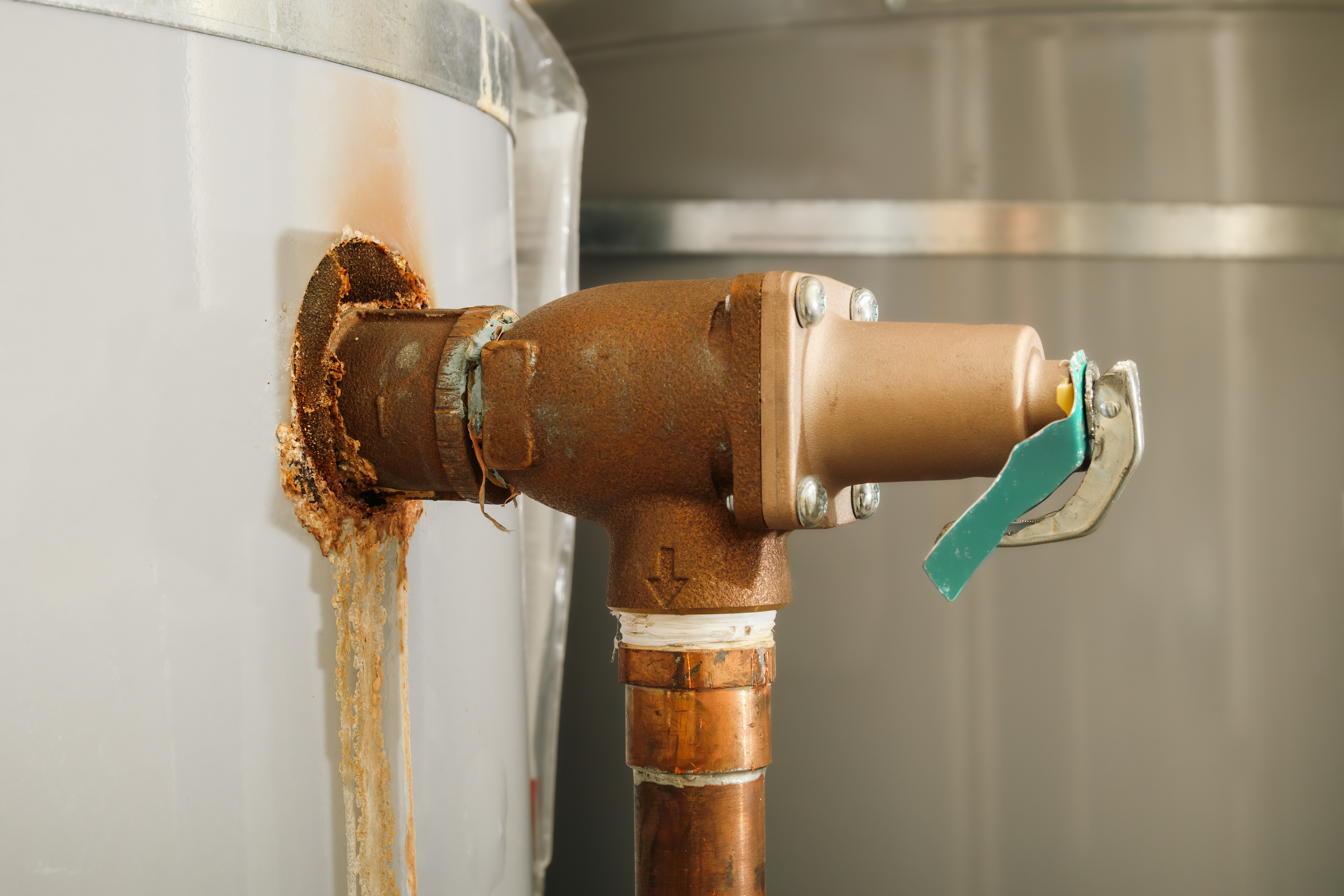
- Moisture on the sides of the tank, rust on the outside, or rusty hot water
What Should I Do First When I Find Water Under My Water Heater?
Cut the power or gas, close the cold-water inlet, and dry the area. Those steps stop the damage from growing while you find the source. Electricity and water don't mix, so handle the power first.
Here's a simple water heater troubleshooting routine:
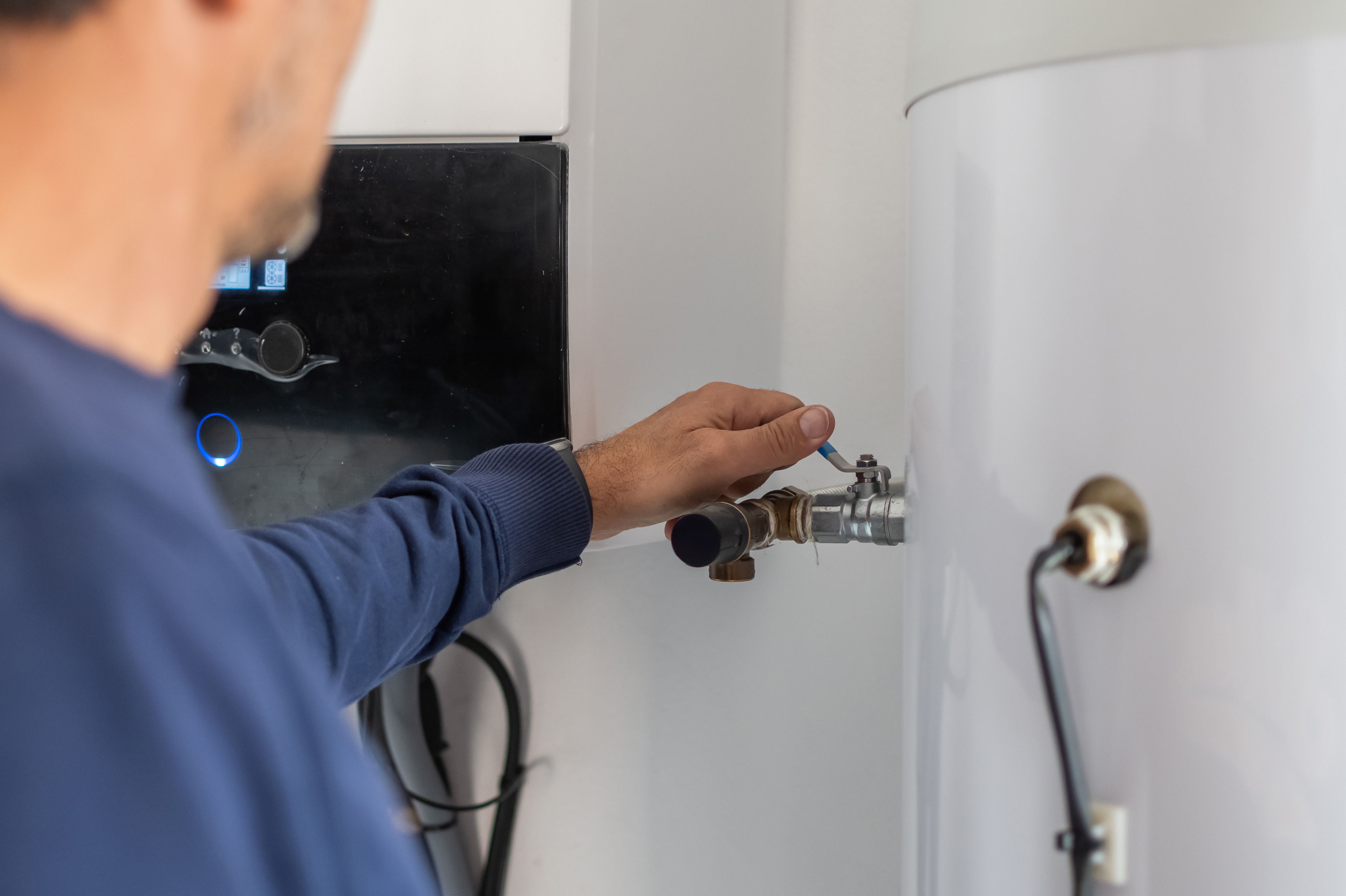
- Turn off the power. For an electric water heater, flip its breaker, or the main breaker if you're not sure which one it is. For a gas water heater, close the gas shutoff valve.
- Close the cold-water shutoff valve at the tank's inlet. If your unit doesn't have one, shut off your home's main water valve.
- Dry the floor and the tank, then watch for where new water appears. A flashlight helps you see small drips.
- Take photos of the puddle and any damage for your insurance records.
If you smell gas at any point, leave the house right away and call 911 or your gas utility. Never plug or cap a dripping T&P valve, since it's the tank's safety release, and blocking it can let pressure build dangerously.
If water is streaming or spraying instead of seeping, call us right away. Wallner offers 24/7 emergency plumbing in Redding and responds within 60 minutes of your first service request.
How Can I Tell Condensation From a Real Leak?
Condensation happens when cold incoming water chills the tank and the burner's exhaust gases condense on the cool metal. That makes it more common on gas water heaters and in cooler months, when incoming water runs colder. Newer, high-efficiency models condense more than older ones.
For a gas unit, we typically recommend wiping up the water, setting the thermostat to pilot, and waiting eight hours. If no water collects, you had condensation. If water appears and the fittings are tight, the tank itself is leaking and needs to be replaced. Not comfortable adjusting the thermostat? Give us a call, and we'll check it for you.
Which Water Heater Leaks Are Minor Fixes?
Loose fittings, a leaking drain valve, and a dripping T&P valve are usually fixable without replacing the whole unit. Our technicians handle water heater repair on all types of water heaters, so you don't need to guess which part has failed.
- Loose fittings: Vibration and temperature changes can loosen inlet and outlet connections. Tightening often stops the drip, but fittings that keep leaking after tightening are worn out and need replacing.
- Drain valve: Worn washers or loose connections cause leaks at the valve near the bottom of the tank. Tightening or replacing the valve is often the fix.
- T&P relief valve: A dripping valve means the valve failed or your temperature setting is too high. High water pressure and thermal expansion can trigger it too, so have a plumber diagnose it.
- Heating element gaskets (electric models): Worn gaskets can seep and need replacing.
Water can also drip onto the heater from an overhead pipe, so trace the wetness upward before you blame the tank. If a pipe is the source, our leak repair team can take it from there. Call a plumber for any repair near gas lines or wiring.
Should I Repair or Replace My Water Heater?
It can be difficult to know when you should repair or replace your water heater. Generally, our advice is to repair it when the leak comes from a valve or fitting on a younger unit with no tank corrosion, and replace it when the tank itself leaks, or when an older unit keeps needing repairs.
Lean toward replacement when:
- The tank leaks at the base or the sides.
- The unit is past 10 years old and has recurring problems. Tank water heaters typically last 8-12 years.
- A repair would cost more than half the price of a new unit. This is the 50% rule.
- You've paid for several repairs in a short stretch of time.
If you're replacing your unit, our water heater replacement service covers storage tank and tankless units. Tankless models can last 15-20+ years with proper care, and they deliver continuous hot water. Our four reasons to upgrade guide can help you weigh your options.
If your tank is leaking or your unit is past 10 years old, call us at (530) 223-5622, and we'll help you decide. California law also requires bracing for replacement water heaters, under Health and Safety Code § 19211, so ask your installer to secure the new unit against earthquake motion.
Read the Puddle, Then Act Fast
In Redding, a puddle under your water heater usually comes down to one question: where does the water start? Condensation, loose fittings, and valves are minor fixes, while water at the base of the tank means replacement. Shut off the power, gas, and water first, then call a plumber if the puddle keeps coming back.
Call the Barefoot Plumbers When a Water Heater Puddle Won't Quit
The Barefoot Plumbers at Wallner Plumbing Heating & Air have served Redding, Anderson, and the North State since 1968, and we offer same-day service plus 24/7 emergency plumbing.
Call us at (530) 223-5622 or contact us online to repair or replace a leaking water heater.